Two Very Different Digital Trading Systems
Two Very Different Digital Trading Systems[редактиране]
Ultimate Team’s Economy vs. Tarkov’s Market
https://i.postimg.cc/mDrCtyK0/fut-trading.jpg
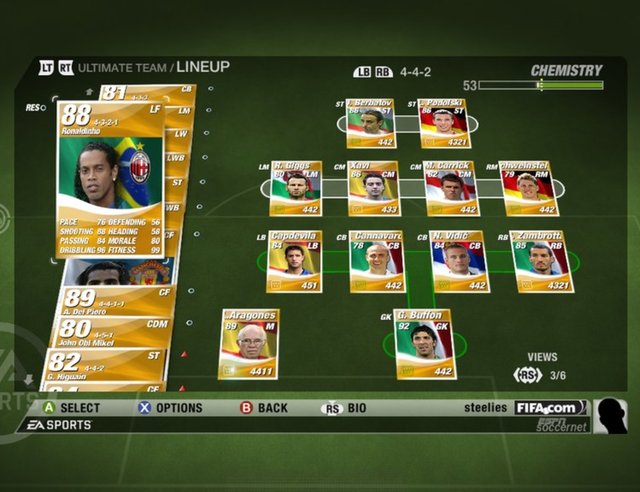
Contrasting Two Online Game Economies
The world of interactive entertainment involves more than just playing matches. Digital trading systems are key to long-term motivation. Among the most discussed examples are Ultimate Team’s Economy vs. Tarkov’s Market, two models which serve entirely different goals. In case you need FIFA Infinity [here] you will find what you were looking for!
The Core Jobs-to-be-Done Behind Digital Trading
https://i.postimg.cc/FHQSj42b/fc24-ultimate-team-trading-guide.jpg
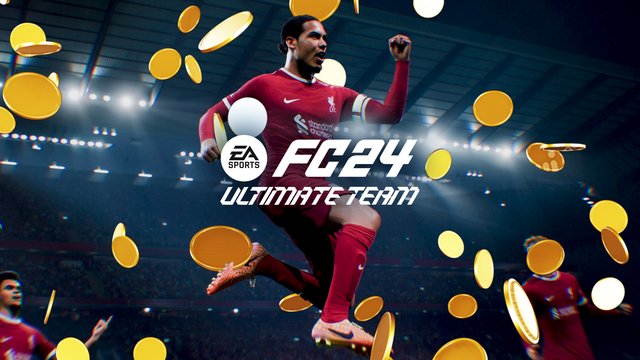
Striving for Progress and Status
• FIFA Infinity’s Ultimate Team: The purpose here is to create a high-performance team. The economy supports fast upgrades and visible prestige. • EFT trading system: Players’ core job is tactical preparation. Trading becomes a way to secure weapons and resources.
Simplifying or Complicating the Journey
• Ultimate Team: A system designed for constant, low-friction activity. • Tarkov’s Market: Complex, risky, and scarcity-driven.
Ultimate Team vs. Tarkov in Detail
1. FIFA Infinity’s Marketplace:
• Driven by real-life sports performance.
• Open and inclusive for all types of players. Encourages continuous card acquisition.
2. Tarkov’s Market:
• Grounded in limited resources.
• Focuses on depth and strategy.
• Replicates risk and scarcity of survival.
Practical Lessons From These Systems
https://i.postimg.cc/vm06F6DX/image.jpg
Takeaways for Gamers
Those seeking speed and prestige should look at FIFA Infinity. For careful planning and tactical challenge, Tarkov is better.
For Developers
FIFA Infinity proves the strength of dynamic systems tied to real-world data. Tarkov shows that difficulty and scarcity increase depth.
Conclusion
Analyzing Tarkov’s Market vs. Ultimate Team’s Economy highlights two very different digital trading systems. One mirrors football fandom, the other survivalist grit. Both examples show that successful virtual economies reflect what players truly want.